
This release is one of the biggest releases the project has delivered so far: 337 issues closed, 22 contributors involved, and three months of work across new features, improvements, and fixes.
At Putki, we contributed to several areas of this release. Hans and Bart worked on everything from new transforms and integrations to improvements in the Hop experience and Marketplace infrastructure.
Here are some of the highlights.
Contributed by the Putki team
Hans Van Akelyen contributed across different parts of Hop 2.19, including release coordination, new features, and a large number of fixes.
Append support for GCS, Azure, and S3
Append operations are now available consistently across the main cloud storage providers, avoiding provider-specific workarounds.
Split view in the pipeline canvas
The pipeline editor now allows two areas of a pipeline to be displayed side by side, making it easier to work with larger pipelines.
sh and cmd file support in the text editor
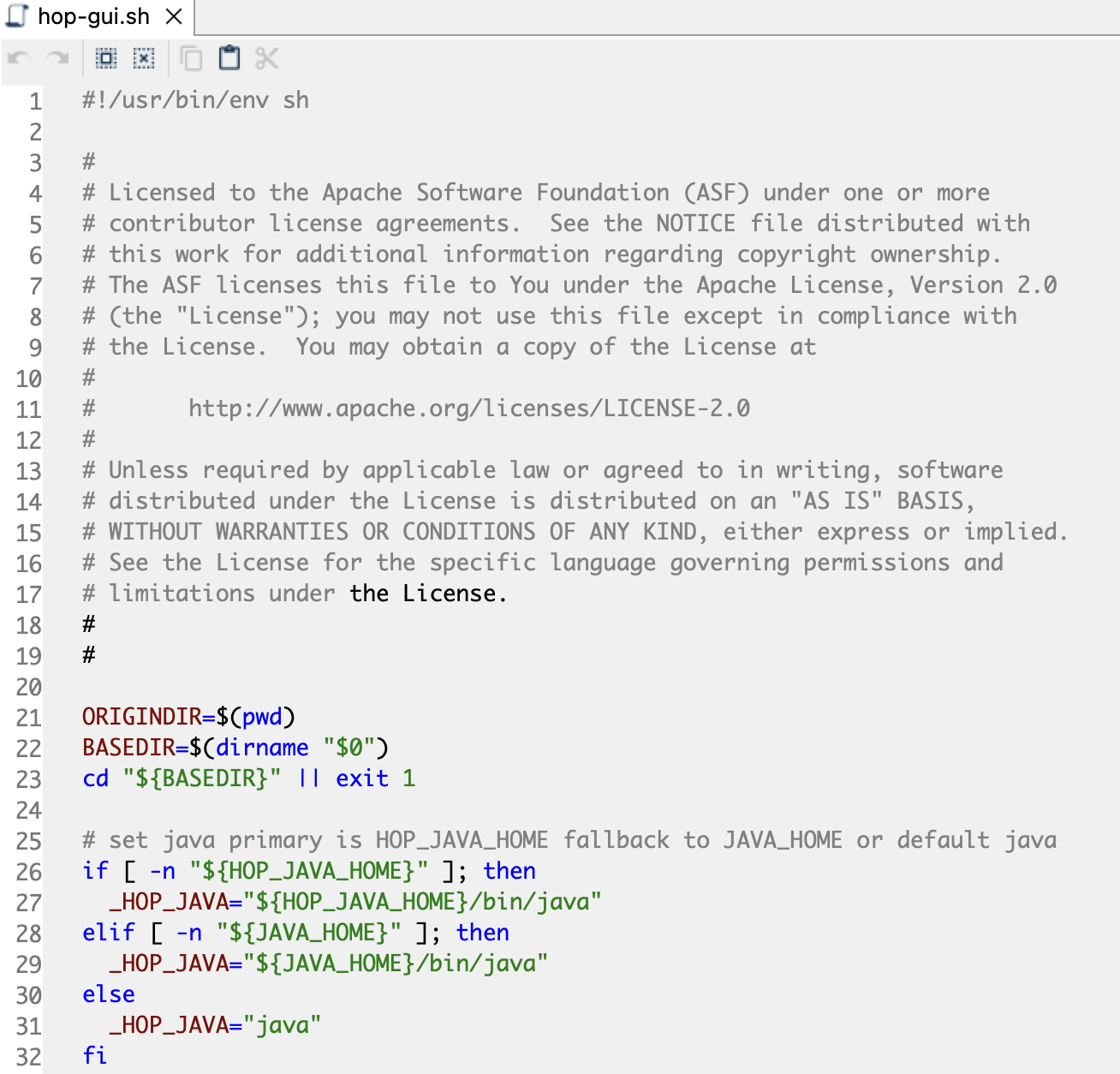
More project files can now be edited directly from Hop, including shell scripts and command files.
Hop Server graceful shutdown
Hop Server now handles shutdowns more cleanly, which is especially useful for containerized deployments.
Marketplace improvements
After the initial Marketplace implementation, Hans worked on making it more robust: dependency handling, installation edge cases, and compatibility improvements, including Windows support.
Besides these features, Hans contributed many fixes throughout the codebase that helped make Hop 2.19 ready for release.
Bart Maertens focused mainly on integrations, connectivity, and improving how Hop works with external systems.
vCard Input and Output transforms
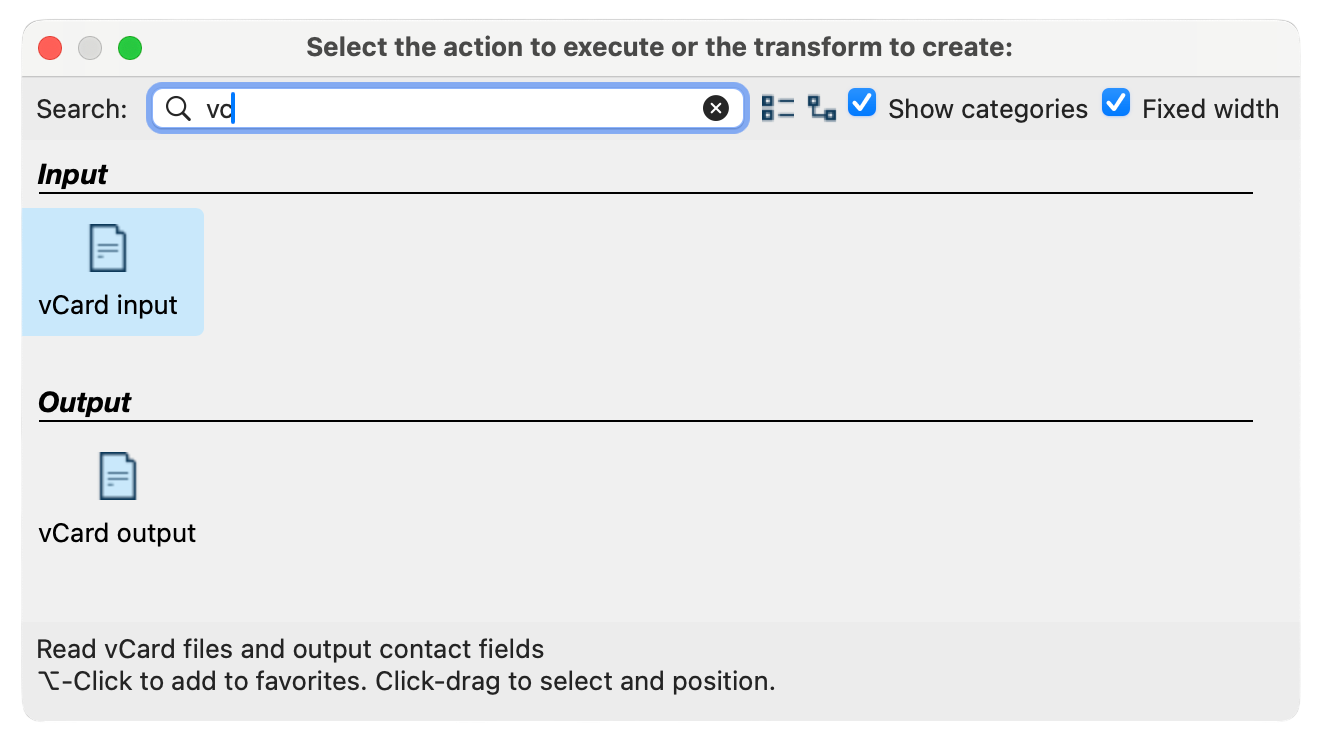
Hop can now read and write vCard contact information natively.
CardDAV and CalDAV support in the WebDAV VFS plugin
Building on the WebDAV support added in Hop 2.18, this extends the integration to calendar and contact protocols used by platforms such as Nextcloud.
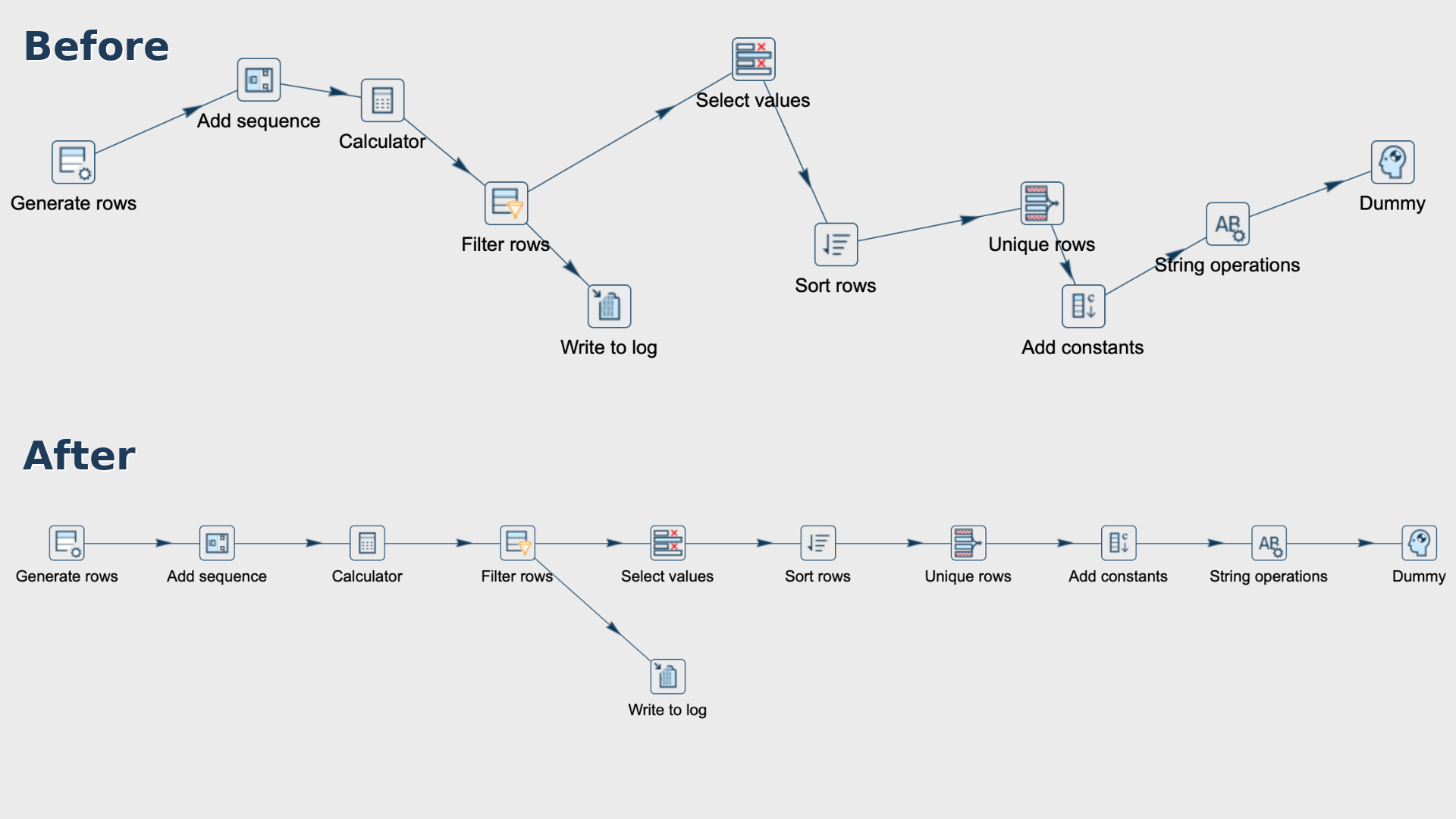
Automatic pipeline layout with the Sugiyama algorithm

Hop can now automatically arrange pipeline transforms, making complex pipelines easier to read and helping clean up imported or older pipelines.
 Oracle improvements and wallet support
Oracle connections received additional options, including support for wallet-based authentication.
Marketplace support for Forgejo and Gitea registries
Organizations using their own Forgejo or Gitea instances can now use them as plugin registries.
Marketplace repository password protection
Credentials for private plugin repositories are now stored more securely instead of being kept in plain text.
Other highlights in Apache Hop 2.19
Some of the other important additions in this release:
Hop Marketplace
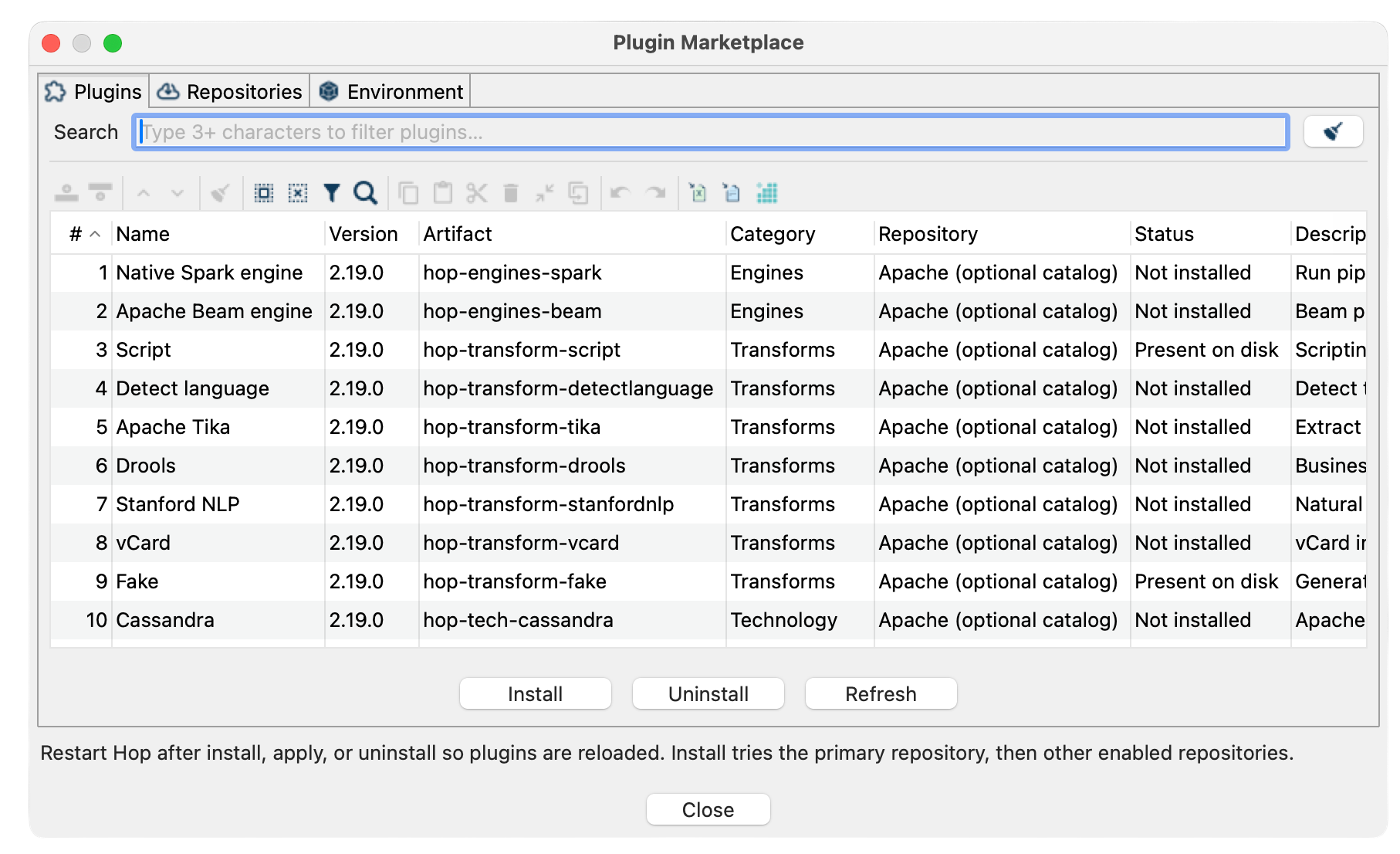
Plugins can now be installed, updated, and managed directly from the Hop GUI. The Marketplace supports GitHub, Forgejo, and Gitea registries.
Native Spark engine
Hop now includes a dedicated Spark execution engine and native Spark SQL support, independent from the Beam-based execution engine.
Databricks Unity Catalog Volumes support
Files stored in Unity Catalog Volumes can now be accessed through Hop's file-based transforms.
Redis integration
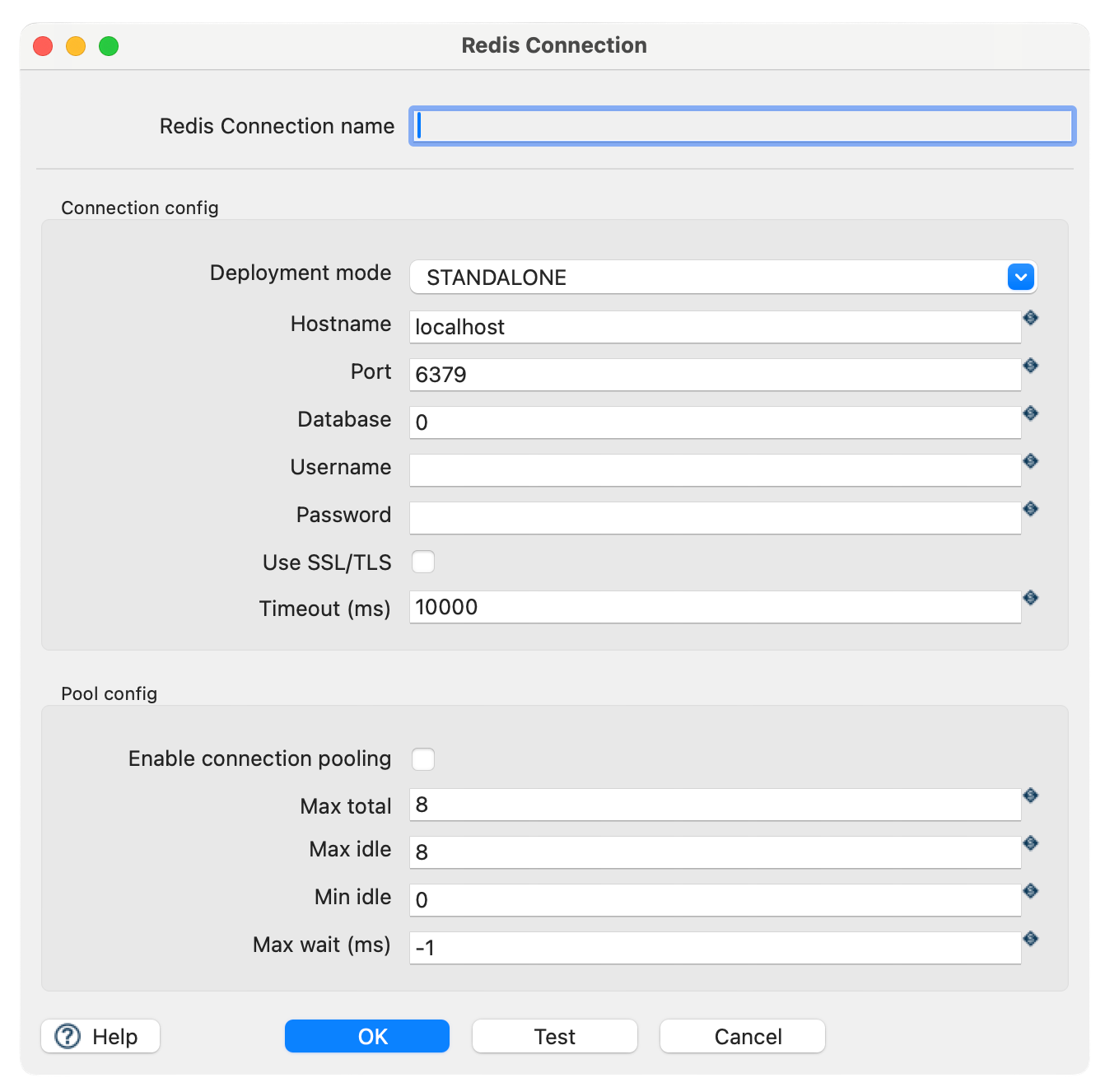
Redis is now available as a native integration with Input, Output, and connection metadata support.
More file editing support
YAML, Markdown, sh, cmd, and bat files can now be opened and edited directly in the Hop GUI.
JMS and OData integrations
New transforms make it easier to connect Hop pipelines with messaging systems and OData services.
Hop Web improvements
Authentication, roles, and UI authorization are now available in Hop Web.
SFTP metadata type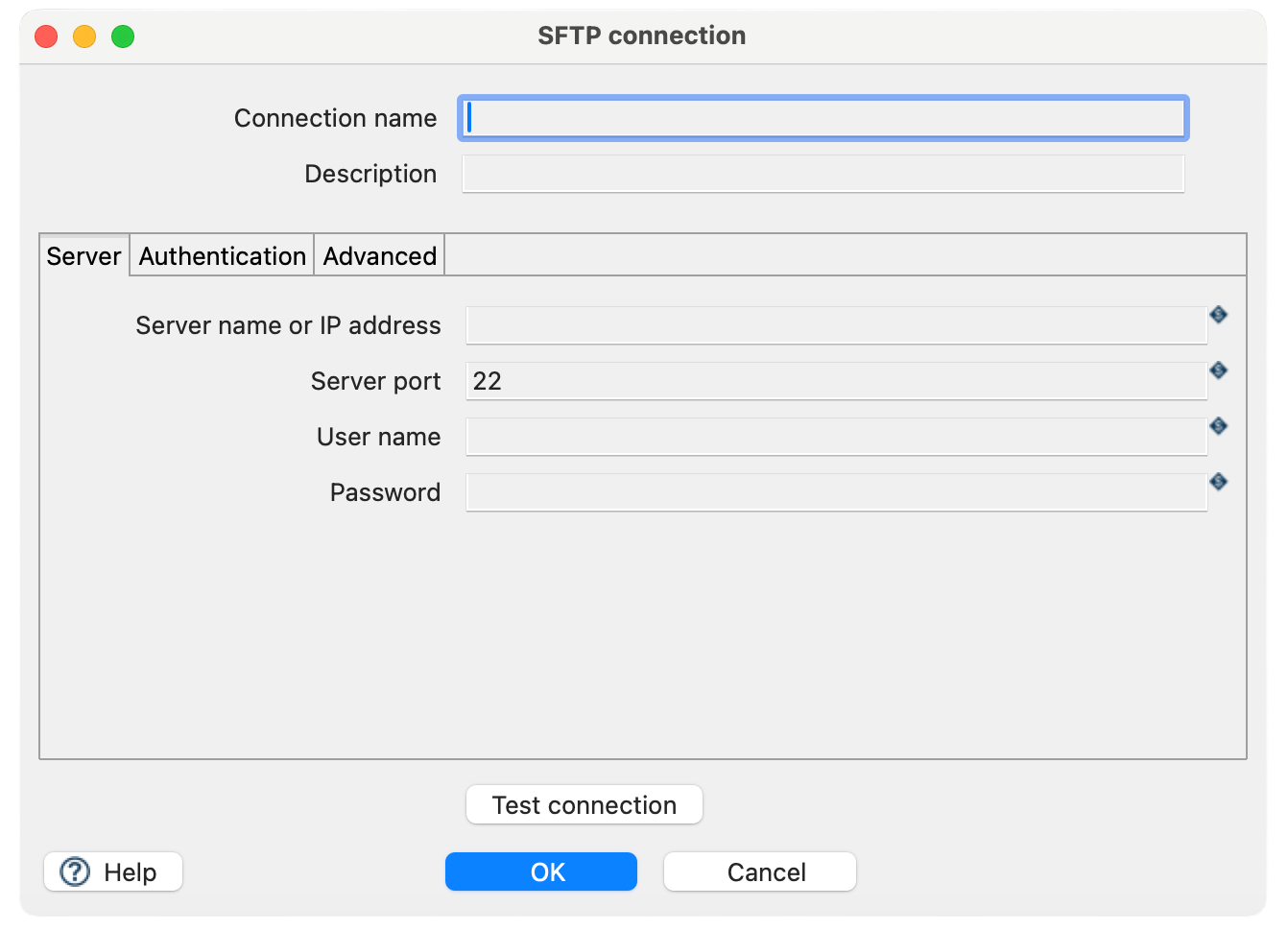
SFTP connections can be defined once and reused across pipelines and transforms.
Bug fixes and stability improvements
As with every Hop release, a lot of work also went into fixes and stability:
- Hop Server memory leaks, resource export issues, workflow metrics, and remote execution logging improvements
- Better performance when extracting large archives with many small files
- Improved shell state restoration after restarts
- Fixes around variable reloads and project refreshes
- Detection and mitigation of pipeline buffer deadlocks
- Improved database identifier quoting across different database platforms
You can find the complete list of changes in the Apache Hop 2.19 release notes.
Putki 2026.09 is coming
Apache Hop 2.19 is the foundation for the next Putki release, coming this month.
Putki 2026.09 will include the improvements from Hop 2.19 together with the enterprise features we add for production deployments.
We will share the full release details soon.
Follow Putki on LinkedIn to stay updated, or get in touch if you want to learn more: